Κυριακή 1 Σεπτεμβρίου 2019


Παρασκευή 30 Αυγούστου 2019
Ρεφλεξολογία για ισχιακή προβολή.
 Μία φυσική, ακίνδυνη και παραδοσιακή πρόταση εφαρμόζεται με επιτυχία από την αναισθησιολόγο Dr. Belkiz Berna Kulah στο Saglik Bilimleri University
 Είναι ένα Πανεπιστήμιο επιστημών υγείας, με ερευνητικό τμήμα στις παραδοσιακές και συμπληρωματικές πρακτικές στην Άγκυρα.
Πολύ απλά...
Στην περίπτωση της ισχιακής προβολής στην 33η-35η εβδομάδα προτείνουν και εφαρμόζουν την μοξαθεραπεία, την καύση του βοτάνου Artemisia argyi σε συγκεκριμένες περιοχές και βελονιστικά σημεία του σώματος. Στην περίπτωση λοιπόν της ισχιακής προβολής πρακτικά η ιατρός πλησιάζει ένα αναμμένο πούρο να φανταστείτε, την μόξα, στο μικρό δάχτυλο του ποδιού. Στην άκρη του δαχτύλου δίπλα από το νύχι του. Η εφαρμογή έχει ξεκινήσει το 2017 και καταγράφουν ποσοστό επιτυχίας 60%, κάτι που όπως λένε θα βοηθήσει στην μείωση της αυξημένης συχνότητας καισαρικών τομών στην Τουρκία και στον κόσμο.

Το σημείο που πλησιάζουν την μόξα είναι το βελονιστικό σημείο 67 του μεσημβρινού της ουροδόχου κύστης. Για όσους τους φαίνεται ότι είπα Κινέζικα έχουν δίκιο, η πρακτική αυτή ανήκει στην παραδοσιακή Κινεζική ιατρική.
Την πρώτη συνεδρία γνωριμία την κάνει η ιατρός και μετά συστήνεται η καθημερινή εφαρμογή για μία εβδομάδα.
Η εφαρμογή διαρκεί 10 λεπτά για κάθε σημείο στα δύο πόδια.
Ρεφλεξολογία
 Ο βελονισμός ανήκει στην μεγάλη κατηγορία των αντακλαστικών θεραπειών όπως φυσικά και η ρεφλεξολογία. Το συγκεκριμένο σημείο στην βασική ρεφλεξολογία αντανακλαστικά ανταποκρίνεται στην περιοχή γύρω από το αυτί, τον κρόταφο και μασητήρες. Ως ρεφλεξολόγοι θα είχε ενδιαφέρον εάν οι έγκυες είχαν κάτι να παρατηρήσουν σχετικά με αυτές τις περιοχές, πρακτικά θα ανιχνεύαμε δια της αφής την περιοχή και στην συνέχεια θα εφαρμόζαμε τεχνικές ρεφλεξολογίας κατάλληλες πάντα μέσα σε ένα ολιστικό πλαίσιο προσέγγισης.
Οι ενδιαφερόμενες δεν θα μπορέσουν να το κάνουν μόνες τους με αυτή την κοιλιά, ευκαιρία να βοηθήσει ο σύντροφος. Κυκλικές κινήσεις, στατικές πιέσεις πάνω στο σημείο, να "ζεσταθεί" να αιματωθεί καλά πάντα ανακουφιστικά.
 Και το υπόλοιπο πόδι αγόρια!!!
Στην ώτο-ρεφλεξολογία το αυτί μοιάζει με αντεστραμμένο έμβρυο, ίσως εκεί να βρίσκεται η σχέση. Κεφάλι ο λοβός, οι κόγχες τα όργανα, το σκάφος του πτερυγίου το ισχίο.
Τέλος θα ήθελα πω ότι μόνο αναμενόμενες είναι αυτές οι ευχάριστες εξελίξεις στην έρευνα, εκπαίδευση και ενσωμάτωση των εναλλακτικών και συμπληρωματικών θεραπειών ΣΕΘ σε ιδιωτικό και κρατικό επίπεδο στην Τουρκία και καθόλου τυχαίες.
 Με σχεδιασμό προαγωγής του τουρισμού υγείας αλλά κυρίως ευεξίας, με την πρώτη Κυρία πέρυσι να ανοίγει με ομιλία της το πρώτο εθνικό συνέδριο ΣΕΘ δεν πρέπει να μας κάνει εντύπωση.
Θυμάμαι όταν προσκλήθηκα να παραδώσω σεμινάρια Ρεφλεξολογιάς σε ιατρούς και φυσιοθεραπευτές στην Άγκυρα την έκπληξη μου από τις γνώσεις τους στις ΣΕΘ. Δεν περίμενα στην ζωή μου να μιλούσα για την ρεφλεξολογία σε ιατρούς και μάλιστα να την εξασκήσουν να την μάθουν έστω λίγο.
εδω και εδω

Δευτέρα 19 Αυγούστου 2019
The connection between Vagus nerve & Ear reflexology.
 In a nutshell, the auricular branch of the vagus is in the concha area.
 Vagus innervates organs, most of them. In the concha we find the reflexes to our organs in ear reflexology!
Coincidence?
I do not think so!
Reflexologists that have been working on the ears have been utilizing the positive effects of the vagus nerve for a long time now, most of them/us without even knowing we were!
More and more research is showing that vagus nerve stimulation via the external ear using electronic devices has been shown to increase the "relaxation response" of the parasympathetic nervous system thus reducing inflammation and reducing fight-or flight stress
responses driven by the sympathetic nervous system. The research suggest that this stimulation helps to rebalance the autonomic nervous system and may slow the adverse effects of aging in people over age 55. Tension, depression, anger, confusion and low energy and sleep quality were associated with greater improvements.
The reason for this has to do with the innervation of the outer ear!
 The outer ear is innervated by three different nerves.
 Since our interest today is the vagus nerve we will focus on the concha area (yellow area) which is inervated by the auricular branch of the vagus nerve.
The concha is the large hollow area of the auricle, or floor of the auricle. It is divided by the crus of the helix (the diaphragm line in ear reflexology) into the cymba above and the cavum below.
On the right of the above picture you can see an example of non-invasive transcutaneous vagus nerve stimulation device (tVNS). The stimulating current is administered using a transcutaneous electrical nerve stimulation (TENS) machine.
The vagus (wandering) nerve is called this way because it's the longest nerve in the human body and travels from the base of the brain up into the ears and down into the lower intestines. It is the tenth cranial nerve and is also referred too as pneumogastric nerve (greek for respiratory & gastrointestinal nerve).
The vagus innervates (parasympathetic) the greater part of the digestive tract and other abdominal viscera. it also has a big effect on swallowing and speech becuase in the neck area it is a skeletal nerve. Keep an eye out for such signs during history taking with your clients. You might want to include the ear!
The interesting coincidence is that in auriculotherapy and/or ear reflexology the area of the concha which is innervated by vagus, who in turn, among other functions, innervates our organs, is exactly the same area!
Look at the charts at the top again.
The auricular branch of Vagus is in the concha which in auriculotherapy is commonly associated with the following disorders

Concha - Visceral organ disorders.
Superior Concha - Disorders related to abdominal organs, such as the dysfunctions of the pancreas, gall bladder, kidney, and urinary bladder.
Inferior Concha - Disorders related to thoracic organs, such as heart problems and lung disease. It is also used for the treatment of substance abuse.
Concha Ridge - Disorders related to the stomach and liver.
Concha Wall - Dysfunctions associated with the thalamus of the brain, including general pain, sympathetic nerve problems, and vascular circulation disorders.
Source: here
So keep on working on the ears of your clients, or finish a session with the ears, or suggest to clients to work on the concha specifiacally and the ear in general to affect all the reflexes and the vagus nerve.
Especially for the conditions mentioned in the first paragraph of this blog.
Did you know?

The oldest chart of Ear reflexology could be that of Zone Therapy pioneer Dr. Joe
Shelby Riley.

In this chart on the left he states about the ears No.14
"Affects whole body"

In 1957, Dr Paul Nogier a physician resident in Lyons, France, first presented his observations of the somatotopic correspondences of the ear. He is actually considered the Father of modern auricolotherapy. Dr Nogier originated the concept of an inverted fetus map on the external ear as can be seen on the first image of this post.
In Cranio Sacral Reflexology all the 12 pairs of cranial nerves are found on the phalanges of the toes or fingers 2, 3,4 and 5.
Vagus nerve will be found on the distal phalange of your little toe or finger.
Chart source here
I hope you enjoyed this blog, and if you found interesting the tought process behind it there is a lot more to be shared during Orthopedic Reflexolgoy training. The next course is end of September 2019 in Greece, for information visit here.
There is an extra FREE 4th training day in Hippocratic Anatripsis!

Κυριακή 4 Αυγούστου 2019
Dr. Fitzgerald's theory of longitudinal zones might be inline for merit!
There exists the opinions in Reflexology that
 when approaching reflexes for the face and head (let's say for the left side) that the Reflexologist should...
a. work on the left foot on the corresponding reflex zones in line with Zone theory of Dr. Fitzgerald
b. work on the right foot on the corresponding reflex zones because sensory transmission will ascend and crossover along the spinal cord or higher brain centers depending on the stimulus in line with physiology of the nervous system.
c. examine the corresponding reflexes on both feet and work thoroughly on the reflexes were a needle like or sharp pain exists, a "sore spot" as Ingham described, and/or a crystal formation is present (Ingham), a calcification is present (Ida Rolf) or multiplied and "larger" nerve endings (Manzanares).
I myself choose and recommend to those trained in #orthopedicreflexology to follow option c.
But my point today is to share findings possibly validating Dr. Fitzgeralds theory or at least recommend we all keep an open mind because we all still have a lot to learn and discover.
First of all there are a few fMRI studies in Reflexology and these have shown both ipsilateral and contralateral effects. The ipsilateral ones caused surprise.
Secondly, it is scientifically accepted that any kind of touching of the feet would have a more or less effect on the pelvis and lumbar area either viscera either myoskeletal thanks to the dermatomes. This would be a segmental reflex action, but does not explain at all the positive acquired effects of foot reflexology on issues refering to the face and thorax.
Recent research has stumbled on to something that might explain and validate the teachings of Fitzgerald and add one more explanation to why/how reflexology works.
Read the research here:
A Human Sensory Pathway Connecting the Foot to Ipsilateral Face That Partially Bypasses the Spinal Cord
https://www.frontiersin.org/articles/10.3389/fnins.2019.00519/full
And here:
Researchers discover new nerve pathway in the body.
https://m.medicalxpress.com/news/2019-06-nerve-pathway-body.html
End of September 2019 Orthopedic Reflexology training will take place in Greece. If you like our approach to Reflexology why not join us for four days of training?
https://spiros-reflexologia.blogspot.com/2019/07/orthopedic-reflexology-indian-summer.html?m=1

a. work on the left foot on the corresponding reflex zones in line with Zone theory of Dr. Fitzgerald
b. work on the right foot on the corresponding reflex zones because sensory transmission will ascend and crossover along the spinal cord or higher brain centers depending on the stimulus in line with physiology of the nervous system.
c. examine the corresponding reflexes on both feet and work thoroughly on the reflexes were a needle like or sharp pain exists, a "sore spot" as Ingham described, and/or a crystal formation is present (Ingham), a calcification is present (Ida Rolf) or multiplied and "larger" nerve endings (Manzanares).
I myself choose and recommend to those trained in #orthopedicreflexology to follow option c.
But my point today is to share findings possibly validating Dr. Fitzgeralds theory or at least recommend we all keep an open mind because we all still have a lot to learn and discover.
First of all there are a few fMRI studies in Reflexology and these have shown both ipsilateral and contralateral effects. The ipsilateral ones caused surprise.
Secondly, it is scientifically accepted that any kind of touching of the feet would have a more or less effect on the pelvis and lumbar area either viscera either myoskeletal thanks to the dermatomes. This would be a segmental reflex action, but does not explain at all the positive acquired effects of foot reflexology on issues refering to the face and thorax.
Recent research has stumbled on to something that might explain and validate the teachings of Fitzgerald and add one more explanation to why/how reflexology works.
Read the research here:
A Human Sensory Pathway Connecting the Foot to Ipsilateral Face That Partially Bypasses the Spinal Cord
https://www.frontiersin.org/articles/10.3389/fnins.2019.00519/full
And here:
Researchers discover new nerve pathway in the body.
https://m.medicalxpress.com/news/2019-06-nerve-pathway-body.html
End of September 2019 Orthopedic Reflexology training will take place in Greece. If you like our approach to Reflexology why not join us for four days of training?
https://spiros-reflexologia.blogspot.com/2019/07/orthopedic-reflexology-indian-summer.html?m=1
Παρασκευή 26 Ιουλίου 2019
Vagus nerve is getting a lot attention lately!

Hope you enjoy and find helpfull the chart of the vagus nerve on the foot. Vagus is yellow and laryngeal branches green and purple. Helpful for hiccups and swallowing, voice and other. In the 3rd published book of Eunice Ingham she states that at that area is where she begins ALL her treatments.
Wise woman!
On the ear, the area of the concha is innervated by the auricular branch of the vagus nerve, it should come as no surprise to us that this is exactly where the organs are in ear reflexology.
I will get back to the ear as I have more to share on this exciting subject!
On the feet in a orthopedic reflexology approach those who have trained will remember the two plantar nerves. These nerves influence all organs and thus indirectly affect the vagus nerve. Where the nerves travel are reflex zones of the organs.
Here is a recent interesting article that brings in breathing which I have found very effective when brought in the treatment.
Much success to everybody!
"I was surprised by the idea that it’s specifically the exhale that triggers the relaxation response, but Norcliffe-Kaufmann confirmed: “Vagal activity is highest, and heart rate lowest, when you’re exhaling.” She mentioned that the ideal, most calming way to breathe is six times a minute: five seconds in, five seconds out. She also noted that in the study that determined this rate, researchers found that this style of slow breathing is also what practitioners naturally lapse into during meditation with mantras, and during the Ave Maria prayer with rosaries. “Each time you do either the rosary prayer or a meditation mantra,” Norcliffe-Kaufmann said, “it naturally synchronizes your breathing at six times per minute.”
https://www.thecut.com/2019/05/i-now-suspect-the-vagus-nerve-is-the-key-to-well-being.html?fbclid=IwAR0tjj3uqI4oDKYHnqZPTakpSrxL4ZZyiNbWXMXdAzP9UfJ3Mb8NaZGD0DY
Τρίτη 9 Ιουλίου 2019
Orthopedic reflexology Indian Summer training 2019 in Tolo Argos

For the 5th time Orthopedic Reflexology training will be offered to international students in Greece. This time our (Indian/late) Summer course will take place during the 26th-29th September.
Our venue location will be the old seaside village of Tolo in the Argolis prefecture with the beautiful sandy beaches. This is where are first two courses were held with much success!
More specifically the course will take place at the T7 beach bar, you can have a look at the location on the map here .
But also this video will give you an idea of the surroundings.
I have chosen this venue because it is a very beautiful place and thus a great oppurtunity to combine a summer vacation in Greece with one of the most popular and successfull reflexology trainings offered at the moment. It is also very near to historical archaeological sites so we will be able to visit those too.
Regarding the date, I chose late September because the weather is still great yet not that hot, there are less tourists, and most importantly airfare tickets and accomodation costs are lower then usual.
There are plenty of hotels and offers through airbnb at great prices nearby. I recommend you choose something near the beach. You can look into your accomodation at this link here.
The dates of the course are 26th-29th of September and the course will begin in the morning and finish late afternoon/evening.
I avoid being specific about the timetable because their is no stress about it, during the four days training we will spend a lot of time together and within our small group (maximum number of participants is 8) we will make the daily planning together.
During your 4 day course my full attention will be at you the participants so as to accomodate your visit and you get the most out of it!
A visit to Mycenae , the Pyramid of Elliniko, Nafplio and other attractions will be organized.
(Admission fee's to museums and meals are at the participants expense.)
Orthopedic Reflexology Course Fee: 380euro/320euro*
*Early Bird Course Fee until 15th of August 2019.
Included as a gift will be the "cup of greed of Pythagoras", organic beeswax handmade by me and the OR training DVD!
Most importantly you get an extra day of Hippocratic Anatripsis training for free! More information here.
Coffee, tea, fresh fruits will be offered at the breaks and are included in the course fee.
WhatsApp: + 03 6936163040
ORTHOPEDIC REFLEXOLOGY
Orthopedic Reflexology is about utilizing the experience one has obtained in discriminating the reflex areas or the condition of the foot's tissues and then applying the correct technique, the proper amount of pressure for the appropriate amount of time, to achieve the "medium" as taught by Hippocrates in order for nature to heal. Orthopedic Reflexology practitioners use the condition of the tissues of the feet as a guide. Anatomical charts to understand the reflexes, zones, meridians and fascia, as well as to effectively manipulate the feet.
Orthopedic Reflexology will teach the theory and practical approaches of Hippocrates and Galens guide on the effects of "rubbing" – Anatripsis; the four meridians of Hippocrates, Orthopedic reflexology maps, understanding pain and a deeper exploration of the history and origin of reflexology and the "science" behind it. In Orthopedic Reflexology we also learn how to assist many local foot problems such as halux valgus and hammer toes, which in turn affects and helps treat disorders of the myoskeletal system and the internal organs.

Summer school 2016
Orthopedic Reflexology is based on the teachings of Hippocrates, the father of western medicine.This regards the art of rubbing - Anatripsis. Hippocrates wrote small concise passages on rubbing which he considered easy to learn and apply. Scattered in the Hippocratic corpus many references to rubbing (and of the feet) can be found.
During this 3 day instructive course you will be taught the anatomy of the feet which will include the four muscle layers, connective tissue e.g plantar fascia and retinaculum, the location of the bones of the feet and the route of the tendons and peripheral nerves entering the feet. Participants will be taught how to effectively treat all these structures, and make correlations within their existing knowledge and integrate the new techniques into their own existing practice.
The basis of the training is learning the theoretical and practical approaches of Hippocrates and Galen on the effects of "rubbing" – Anatripsis, as they have been handed down to us from their original books. Hippocrates describes in detail four main “veins” that are considered the forefather of the Chinese meridians. The Hippocratic veins will be outlined theoretically in detail, and approached practically until the knee and elbow respectively.
During the course attention is given to understanding modern concepts of pain and the “science” behind Reflexology and utilizing this knowledge in our every day work. The history and origin of reflexology is reviewed.
During the course attention is given to understanding modern concepts of pain and the “science” behind Reflexology and utilizing this knowledge in our every day work. The history and origin of reflexology is reviewed.

Summer school 2017
Upon completion of training in Orthopedic Reflexology participants will have the capacity to alleviate complementary to standard care of local foot problems such as hallux valgus and hammer toes, which in turn reflexively affect and help treat disorders found in other parts of the body.
Please note - Orthopedic reflexology is open to all, not only reflexologists. Therapists who are new to working the feet will notice the differences, and body workers can integrate the techniques learnt immediately into their practice.
In short...
- if you ever wanted to specialize in the lower limbs (anatomy physiology),
- if you ever wondered why what you already do with Reflexology is helpful,
- if you wonder why you are NOT helping,
- if you ever wanted to be introduced to the sphere of Greek medicine
- if you ever wondered why what you already do with Reflexology is helpful,
- if you wonder why you are NOT helping,
- if you ever wanted to be introduced to the sphere of Greek medicine
This course is for you!
The majority of the course is focused on the practical applications of the Orthopedic Reflexology techniques. There are many structures in our feet and each one requires a unique technique.

Summer school 2018 Athens
Orthopedic Reflexology 3 Day Course
• Hippocrates and Galens guide on the effects of "rubbing" Anatripsis
• Anatomy of the foot
• Hippocrates 4 pairs of Veins (meridians)
• Muscle chains/ Zones/ Chinese meridians/ Nerve pathways
• Orthopedic Reflexology Maps
• Hippocrates Holistic approach
• The 'science' behind reflexology
• Effective techniques for local foot problems such as hallux valgus and hammer toes
• Explain Pain-understanding the modern concepts
• Referenced Reflexology History - Why is this important for the outcome of your treatment and for our future as a profession?
• Anatomy of the foot
• Hippocrates 4 pairs of Veins (meridians)
• Muscle chains/ Zones/ Chinese meridians/ Nerve pathways
• Orthopedic Reflexology Maps
• Hippocrates Holistic approach
• The 'science' behind reflexology
• Effective techniques for local foot problems such as hallux valgus and hammer toes
• Explain Pain-understanding the modern concepts
• Referenced Reflexology History - Why is this important for the outcome of your treatment and for our future as a profession?

Orthopedic Reflexology training Spring 2019
Athens
Παρασκευή 31 Μαΐου 2019
Accredation for oncology hospital providing holistic approach.
It seems in order to earn accredation a holistic approach to treating oncology patients is required,

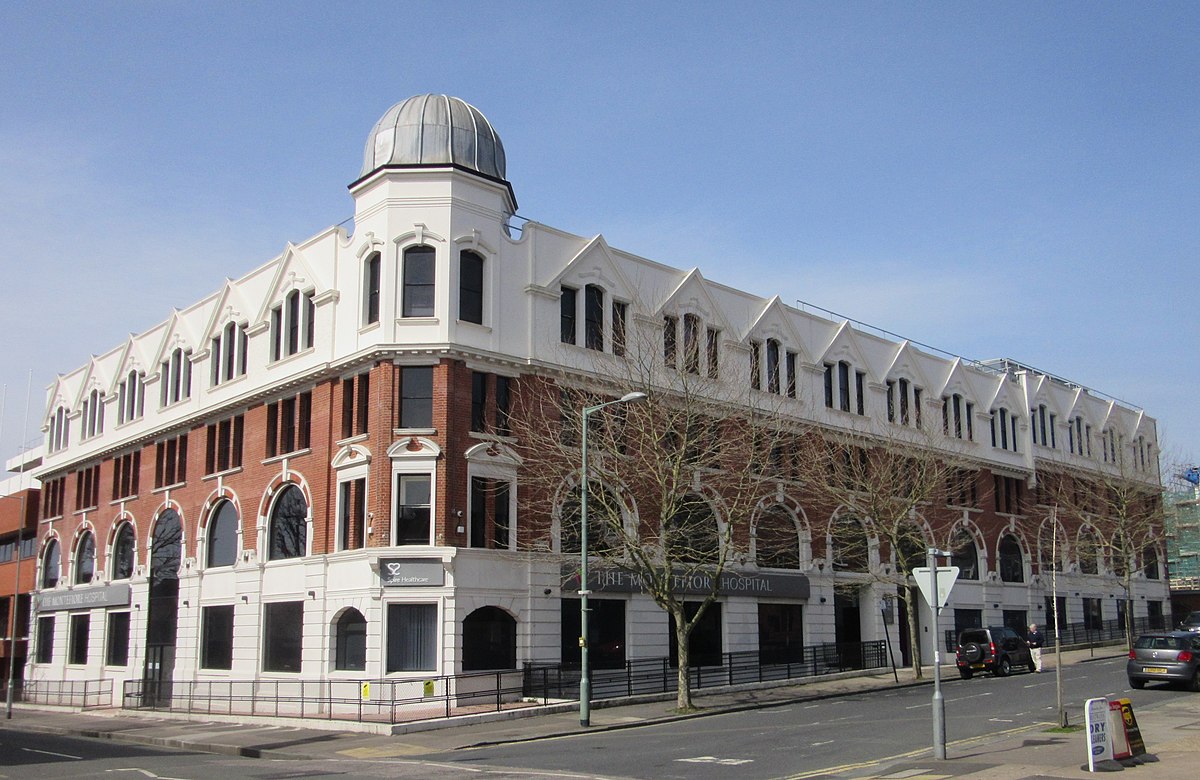
The Montefiore Hospital has earned the Bupa Cancer Survivorship Programme accreditation as well as the Macmillan Quality Environment Mark.
“As well as up-to-the-minute medical care, the St Ann’s Well Suite, staffed by highly experienced nurses who are Macmillan-registered, offers emotional and practical support and alternative therapies such as acupuncture, reflexology and aromatherapy.
Spire Healthcare, which runs the Montefiore, said: “This national assurance reflects the hospital’s commitment to providing a holistic approach to treating patients in its dedicated oncology unit, the St Ann’s Well Suite.
Τρίτη 14 Μαΐου 2019
Thank you for the trust 💪👣
 You are all experienced, working many years and knowledgeable, some of you teach too, and this alone was a challenge for me I want you to know.
I am very happy that Hippocrates teachings will travel to five countries (Belgium, Denmark, Holland, France and Luxembourg).
 Το σώμα είναι ένα ενιαίο σύνολο και απαρτίζεται από όμοια μέρη, χωρίς όμως αυτά να έχουν την ίδια διάταξη, τόσο τα μικρά όσο και τα μεγάλα, τόσο αυτά που βρίσκονται κάτω όσο και αυτά που βρίσκονται πάνω . Και εάν θελήσει κανείς παίρνοντας το μικρότερο μέρος του σώματος να προκαλέσει βλάβη σε αυτό, ολόκληρο το σώμα θα αισθανθεί αυτήν την κάκωση, όποια και εάν είναι, και τούτο γιατί το μικρότερο μέρος του σώματος έχει ότι ακριβώς έχει και το μεγαλύτερο. Αυτό το μικρότερο μέρος, ότι και εάν αισθανθεί, είτε ευχάριστο είτε δυσάρεστο, θα το μεταβιβάσει στο συγγενικό του μέρος έτσι το σώμα αισθάνεται πόνο και ηδονή εξαιτίας και του μικρότερου ακόμη μέρους γιατί στο μικρότερο μέρος υπάρχουν όλα τα μέρη, και αυτά μεταβιβάζουν ότι αισθάνονται στα συγγενικά τους μέρη και αναγγέλλουν τα πάντα.
 ΠΕΡΙ ΤΟΠΩΝ ΤΩΝ ΚΑΤ’ΑΝΘΡΩΠΩΝ 1.
Ιπποκράτης
 You are all experienced, working many years and knowledgeable, some of you teach too, and this alone was a challenge for me I want you to know.
 I am very happy that Hippocrates teachings will travel to five countries (Belgium, Denmark, Holland, France and Luxembourg).
Medicine is one of two things,
be of benefit, do no harm.
-Hippocrates
be of benefit, do no harm.
-Hippocrates
Summer course early September 👣
"The body is a single unit and consists of identical parts, but without them having the same arrangement, both small and large, both those below and those above. And if one wants to take the smallest part of the body and cause harm to it, the whole body will feel this injury, whatever it is, and that's because the smallest part of the body has exactly what the largest has. This smaller part, whether it feels pleasurable or unpleasant, will pass it on to his or her relative part so the body feels pain and pleasure because of the smaller part, because in the smallest part there are all the parts, and they convey what they feel to their relative parts and announce everything."
On the Places in Man 1.
Hippocrates
Hippocrates
 Το σώμα είναι ένα ενιαίο σύνολο και απαρτίζεται από όμοια μέρη, χωρίς όμως αυτά να έχουν την ίδια διάταξη, τόσο τα μικρά όσο και τα μεγάλα, τόσο αυτά που βρίσκονται κάτω όσο και αυτά που βρίσκονται πάνω . Και εάν θελήσει κανείς παίρνοντας το μικρότερο μέρος του σώματος να προκαλέσει βλάβη σε αυτό, ολόκληρο το σώμα θα αισθανθεί αυτήν την κάκωση, όποια και εάν είναι, και τούτο γιατί το μικρότερο μέρος του σώματος έχει ότι ακριβώς έχει και το μεγαλύτερο. Αυτό το μικρότερο μέρος, ότι και εάν αισθανθεί, είτε ευχάριστο είτε δυσάρεστο, θα το μεταβιβάσει στο συγγενικό του μέρος έτσι το σώμα αισθάνεται πόνο και ηδονή εξαιτίας και του μικρότερου ακόμη μέρους γιατί στο μικρότερο μέρος υπάρχουν όλα τα μέρη, και αυτά μεταβιβάζουν ότι αισθάνονται στα συγγενικά τους μέρη και αναγγέλλουν τα πάντα.
 ΠΕΡΙ ΤΟΠΩΝ ΤΩΝ ΚΑΤ’ΑΝΘΡΩΠΩΝ 1.
Ιπποκράτης
Σάββατο 20 Απριλίου 2019


Δευτέρα 15 Απριλίου 2019
Strength in numbers...
Backlash to government's natural therapies rebate ban spurs new review
Remember that recently, since April 1st, CAM therapies were not covered by private health insurance in Australia? The government decided on this.
Now it seems the government has changed its mind!
...CAUTION fellow reflexologists, it hasn't changed for all 19 methods but for four.
Reflexology not included.
Now it seems the government has changed its mind!
...CAUTION fellow reflexologists, it hasn't changed for all 19 methods but for four.
Reflexology not included.
She wrote to Health Minister Greg Hunt seeking an overturn on the rebate ban for yoga, naturopathy, tai chi and western herbal medicine.
Mr Hunt has conceded that the government should consider new evidence in support of certain natural therapies that has emerged in the five years since the last review.
https://www.smh.com.au/national/backlash-to-government-s-natural-therapies-rebate-ban-spurs-new-review-20190407-p51br2.html
13.323 wrote to the minister
110.000 people signed the petition
And... A poll of nearly 4,000 people conducted by YHYC in 2018 showed that 95% would either cancel (50%) or reduce (45%) their level of private health cover if the policy went ahead.
The Your Health Your Choice consumer campaign welcomes the Liberal National Government’s announcement to commission an updated review of natural therapies, including a five year update to its 2014-15 review of natural therapies – providing it is done transparently and ethically.
YHYC spokesperson Ms Petrina Reichman said, “This announcement is a result of the LNP bowing to pressure from the 13,323 Australians that personally wrote to Minister Hunt and LNP MPs and Senators since February this year, in addition to thousands of others that wrote to Minister Hunt after the policy became law in September 2018.” Other groups and experts have also presented the Government with up to date research demonstrating effectiveness for many of the affected therapies.
https://www.yourhealthyourchoice.com.au/news-features/breaking-2mil-pledged-to-update-natural-therapy-reviews/?fbclid=IwAR1GCIyb3xcKS3gHc-SnVGD8y4C49__Moyg1i1PqaM9GeU-flz_0pW5TTcU
Reflexology training in prison

https://cilisos.my/to-solve-overcrowding-malaysia-is-putting-inmates-back-into-the-workforce/
Prince Charles's Scottish stately home offer's reflexology
While Dumfries House has not yet held a seance that we know about, the

Will Charles persuade Hancock — whose, wife, Martha, is an osteopath — to open similar alternative health centres elsewhere in the country?
Nicknamed the ‘Royal NHS’, the clinic gives free treatment to patients with conditions such as chronic pain, diabetes, anxiety, infertility and the side-effects of menopause. It also offers a wide range of complementary therapies, including reflexology and hypnotherapy.
https://www.dailymail.co.uk/news/article-6926013/Prince-Charless-Scottish-stately-home-promoting-nearby-spiritual-sanctuary.html
Τρίτη 5 Μαρτίου 2019
Reflexology, chronic pain and the sensorimotor cortex.
In the recent issue of Massage & Bodywork (March/April 19) Til Luchau through his article Understanding Inflammation and Pain, makes a very important reference regarding chronic pain (something characteristic of reflexology clients) and "pain sensitization" directly at the injured area, the related dorsal root ganglia along the spine, inside the related spinal cord and in the regions of the homunculus (brain) associated with both sensation and movement of the painful area.

This would mean for a reflexologist attending to someone's chronic low back pain with sciatic nerve pain, that he/she should examine the reflexes associated to the lumbar region and leg, the spinal refexes of lumbar 4&5 and sacral 1&2, but also to the reflexes of Pennfield's homunculus (sensorimotor cortex) of the lumbar and leg areas.
Pennfield's homunculus is in the brain so the relevant reflexes are to be found on the tips of the toes distributed respectively in the five zones and/or as a micro sytem of five zones distributed in the hallux or big toe.
Remember that sensitization of the homunculus might possibly occur in chronic pain, which is persisting pain over a period of 3-4 months.
Pennfield's homunculus is in the brain so the relevant reflexes are to be found on the tips of the toes distributed respectively in the five zones and/or as a micro sytem of five zones distributed in the hallux or big toe.
Remember that sensitization of the homunculus might possibly occur in chronic pain, which is persisting pain over a period of 3-4 months.
Hope the pictures help, I have drawn in red the areas in both systems that we would look into regarding our example.
"Pain sensitization is a key link between the immune and nervous systems: sensitization amplifies the actual nociceptive signals (not just the experience of pain), either peripherally at the tissue receptors themselves, or centrally, within the spinal cord and brain.
Interestingly, inflammation-related sensitization isn’t limited to the directly injured areas. Inflammatory markers have also been found within related dorsal root ganglia along the spine (associated with processing chronic pain), neural pathways within the spinal cord, and perhaps most intriguingly, even in immune cells in parts of the brain associated with both sensation and movement of the painful area (glial cells in the sensorimotor cortex)."
Interestingly, inflammation-related sensitization isn’t limited to the directly injured areas. Inflammatory markers have also been found within related dorsal root ganglia along the spine (associated with processing chronic pain), neural pathways within the spinal cord, and perhaps most intriguingly, even in immune cells in parts of the brain associated with both sensation and movement of the painful area (glial cells in the sensorimotor cortex)."
Evidence for brain glial activation in chronic pain patients
Εγγραφή σε:
Αναρτήσεις (Atom)